

Can Foreigners Legally Own Property in Thailand? A Phuket Guide (2026)
Can Foreigners Legally Own Property in Thailand?
A Phuket Guide (2026)
TL;DR
Yes, foreigners can legally own property in Thailand — but the rules depend entirely on what type of property you want. Condominiums offer the only route to full freehold (outright) ownership, capped at 49% of any building’s total floor area. Land, villas, and houses are generally off-limits for direct foreign ownership, but a registered 30-year leasehold is a lawful alternative. Nominee structures (Thai company workarounds) are illegal and under active enforcement. In Phuket, with the right professional guidance from a team like SEA Property, navigating these rules is entirely achievable — and protecting your investment starts with knowing them.
Owning a Piece of Phuket
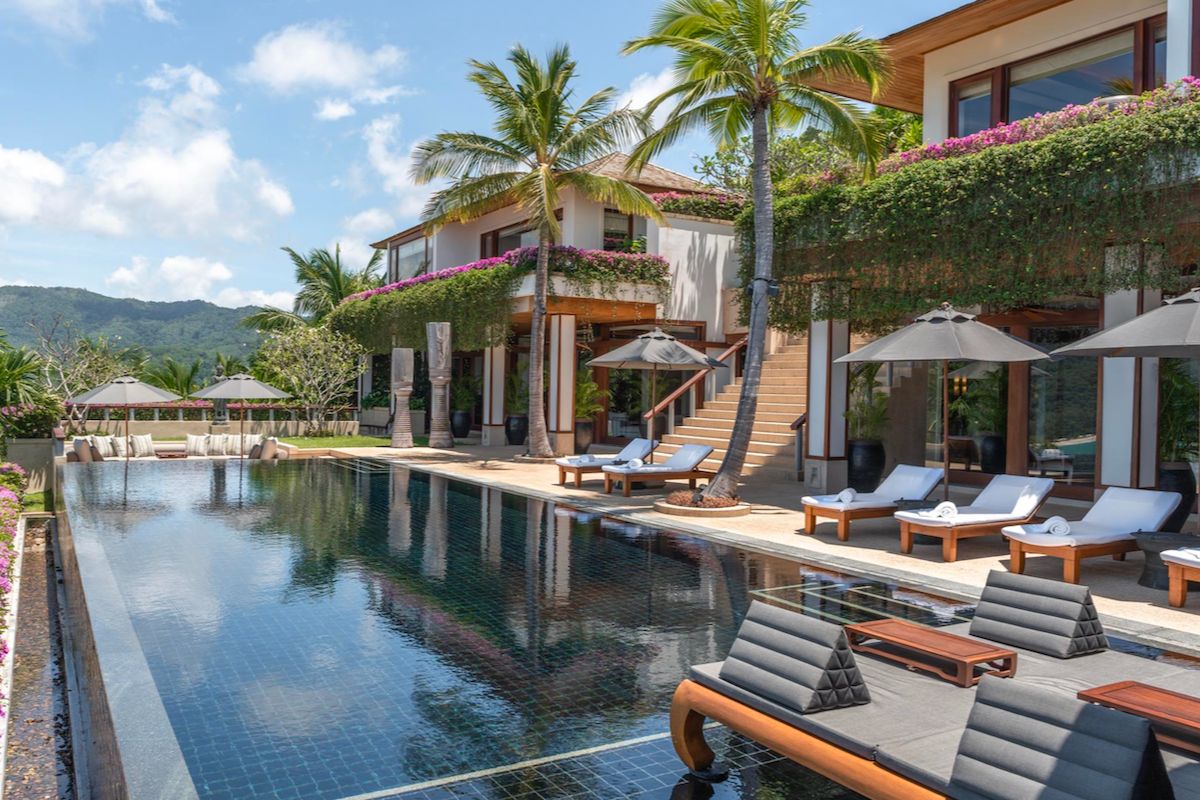
Picture this: sun-kissed mornings on a private balcony overlooking the Andaman Sea, the scent of frangipani drifting through your Phuket villa, your name on a title deed. For thousands of expats, retirees, and investors worldwide, Thailand’s island paradise is not just a holiday destination — it’s a place they want to call home, permanently.
But alongside the dream comes the question that every foreign buyer eventually asks: Can I actually own property here? And if so, what can I legally own?
The short answer is: yes, foreigners can own property in Thailand — but the law draws clear distinctions between what you can hold outright, what you can control through a long-term lease, and what is simply off the table. Thailand’s property framework, while nuanced, is entirely navigable with the right knowledge and the right team. This guide cuts through the noise so you can invest with confidence.
The Legal Framework: What Thai Law Says About Foreign Ownership
Thailand’s approach to foreign property ownership is governed primarily by the Land Code Act, the Condominium Act, and the Civil and Commercial Code. As Thai Embassy explained, under Thai law, foreign nationals are generally prohibited from owning land directly. However, two robust and fully legal mechanisms exist: freehold ownership of condominium units and leasehold arrangements for land and villas. Understanding the difference between these two routes is the essential first step for any foreign buyer.
Thailand’s legal stance is not designed to exclude foreigners; it is designed to protect national land sovereignty while still welcoming international investment. The result is a market where foreign buyers have genuine, enforceable rights — as long as they stay within the defined legal boundaries.
Route 1: Freehold Condominium Ownership
What Is Freehold Condo Ownership?
A freehold condominium is the most straightforward and legally secure way for a foreigner to own property in Thailand. Under the Thai Condominium Act, foreign nationals can hold a title deed — known as a Chanote — in their own name, granting them 100% freehold ownership of the unit in perpetuity. This means permanent, heritable ownership with full rights to sell, rent, or mortgage the unit.
The 49% Foreign Quota Rule
There is one critical constraint: the 49% Foreign Quota Rule. This means that, in any single registered condominium project, foreign nationals can collectively own no more than 49% of the total sellable floor area. The remaining 51% must remain in Thai ownership. Once this threshold is reached within a building, no further freehold units can be sold to foreign buyers in that specific project.
What this means in practice for Phuket buyers:
Always verify the foreign quota availability in writing from the condominium’s juristic person before signing any purchase agreement or paying a deposit.
The quota is calculated by total floor area, not the number of units — so a larger unit consumes more of the available quota.
You can own multiple condominium units across different projects, provided each project maintains its individual quota compliance.
Once the 49% quota is exhausted, remaining units may only be purchased by foreigners under a leasehold arrangement — not as freehold.
What Makes a Condo ‘Registered’ — And Why It Matters
Not every residential building in Thailand qualifies as a condominium under the law. Only buildings officially registered under the Condominium Act are eligible for foreign freehold title. Unregistered ‘apartment’ buildings — regardless of how they are marketed — do not qualify. Foreign buyers must always confirm registration status with the Land Department before proceeding.
Route 2: Freehold Villa and Leasehold for Land
Building Ownership Alongside a Land Lease
Thai Embassy, a common and legally sound structure for villa ownership in Phuket combines two layers: the foreigner owns the physical building – freehold (the structure itself, registered as a separate asset) while leasing Thai land for up to 30 years each time, with options to extend up to 90 years. Land ownership can be separated from housing ownership, so you can construct a building on the land you’ve leased and retain full ownership. This separation of building ownership and land rights provides an additional layer of security and is widely used by legitimate developers in the Phuket market.

Getting Your Money Right: The FET Form and Financial Compliance
Even if you identify the perfect Phuket property and complete your due diligence, your purchase can be derailed at the last moment by an avoidable paperwork issue. For foreign buyers, proving that purchase funds originated from overseas is a mandatory legal requirement to register a condominium title deed at the Land Department.
The Foreign Exchange Transaction (FET) Form
As documented by Thailand’s Revenue Department and confirmed by Savills’ property law guide, the Foreign Exchange Transaction (FET) Form is the official bank document that proves purchase funds were transferred from outside Thailand in foreign currency and converted to Thai Baht by a Thai bank. This document is mandatory for the Land Department title transfer.
Critical rules for the FET Form:
Transfer your funds in a foreign currency (e.g. USD, EUR, GBP, AUD) — not Thai Baht.
The transfer memo must explicitly state the purpose: e.g., “For the purchase of condominium unit [X] in [Project Name], Phuket, Thailand.” Vague descriptions will cause rejection.
For transfers of USD 50,000 or more, the receiving Thai bank will issue the FET form automatically. For smaller amounts, request a bank confirmation letter proactively.
The name on the FET Form must match exactly the name on the title deed application. Even minor discrepancies can halt registration.
Property Due Diligence in Phuket: Don’t Skip This Step
Phuket’s property market is vibrant and competitive — but it is also one where cutting corners on due diligence can prove catastrophically expensive. As Thai Embassy due diligence guide emphasises, thorough legal investigation before any purchase commitment is not optional. It is essential.
A comprehensive due diligence process in Phuket should verify:
Title Deed Status: Confirming the seller holds valid title (Chanote is the gold standard) free from mortgages, liens, disputes, or encumbrances at the Land Department.
Foreign Quota Verification: Written confirmation from the condominium’s juristic person that the foreign ownership quota is available.
EIA Approval: For new developments, confirming that the required Environmental Impact Assessment has been approved — without this, construction cannot legally proceed.
Legal Road Access: Confirming the property has legal access to a public road, which is critical for title validity and practical use.
Building Permits: Verifying that all structures have been built with proper permits and conform to approved plans.
Developer Track Record: For off-plan purchases, researching the developer’s history of delivery and financial standing.
Transaction Costs and Tax: What to Budget For?
Beyond the purchase price, foreign buyers in Thailand should plan for a range of government fees and taxes, typically calculated on the government’s appraised value of the property. Thailand’s Revenue Department provides official guidance on applicable taxes. Here is a summary of what to expect:
Transfer Fee: 2% of appraised value (typically shared 50/50 between buyer and seller, though negotiable).
Stamp Duty: 0.5% (payable by the seller if Specific Business Tax does not apply).
Specific Business Tax (SBT): 3.3% (payable by the seller if they have held the property for fewer than 5 years — SBT replaces Stamp Duty in this case).
Withholding Tax: 1% of appraised value if the seller is a company; a progressive scale if the seller is an individual.
Annual Land and Building Tax: 0.3% to 1% of government appraised value per year for foreign-owned properties, with a luxury surcharge of 2–5% applicable to high-value units.
How SEA Property Makes Your Phuket Property Dream a Reality
Understanding the legal framework is one thing. Navigating it confidently in the dynamic, fast-moving Phuket property market is another. That is where SEA Property becomes your most valuable asset.
SEA Property is a Phuket-based property advisory with deep local expertise, a curated portfolio of legally compliant properties, and an unwavering commitment to protecting its clients’ interests throughout every stage of the buying process. Whether you are a first-time buyer exploring condominium freehold options, an experienced investor evaluating leasehold villas, or an expat planning your permanent move to the island, SEA Property combines professional rigour with genuine insider knowledge of the Phuket market.
Here is how SEA Property supports foreign buyers through every critical step:
Legally Compliant Property Selection: SEA Property works exclusively with developments and listings that meet Thai legal standards for foreign ownership.
Due Diligence Coordination: Connecting clients with reputable independent legal advisors in Phuket for thorough title searches, permit checks, and EIA verification.
FET Form Guidance: Providing clear, step-by-step guidance on the fund transfer process to ensure FET form compliance and successful Land Department registration.
Market Intelligence: Drawing on Phuket’s most current market data to provide honest, unbiased advice on valuation, rental yields, and long-term investment merit.
SEA Property is a family business founded by an expat father and his Thai-born child, who together have navigated the process of buying property as foreigners and built careers in the property market spanning nearly three decades.
We don't just help you find the right lawyers and ensure due diligence is done – that's the standard. What sets us apart is the lifestyle guidance we share to make your move easier and more comfortable: from the schools our kids attended, to opening a bank account, to where to rent a car. It's about creating a clear path so others can relocate seamlessly.
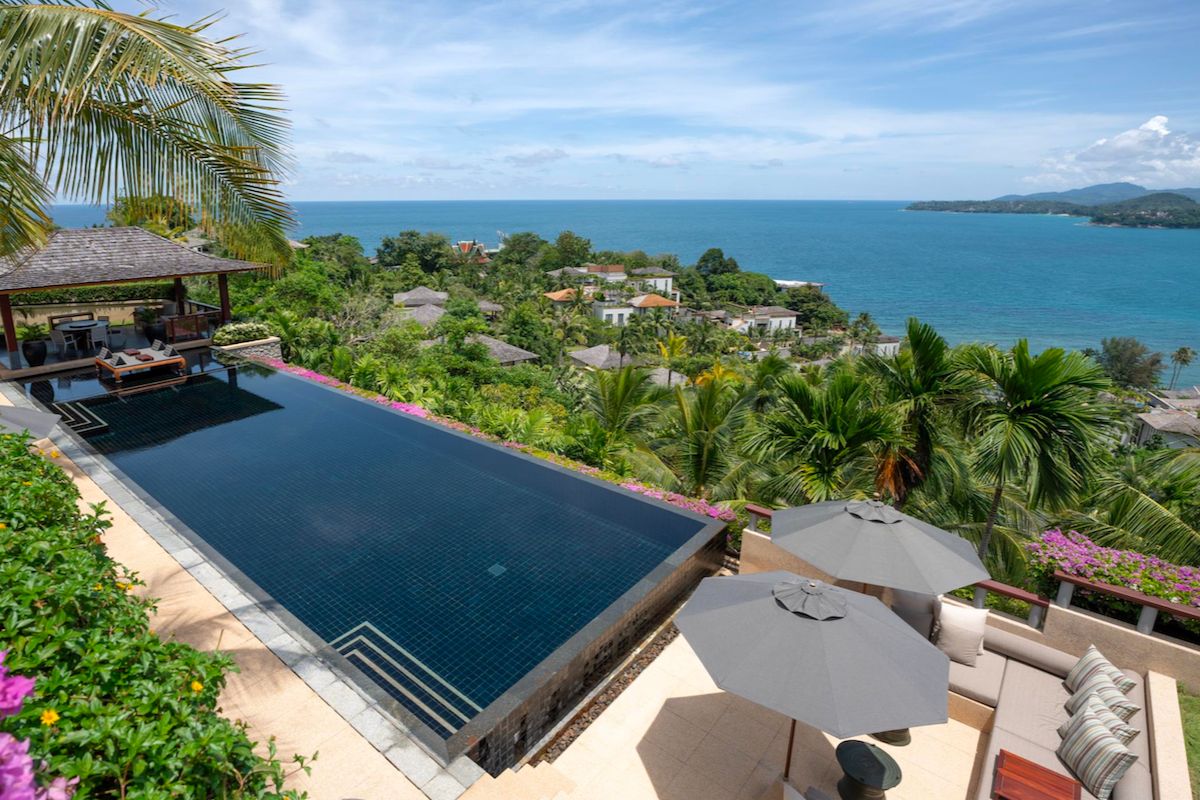
Explore your luxury villa here: Luxury Properties for Sale in Phuket | SEA Property
When it comes to luxury living, there’s only one name: SEA Property.
Tel & WhatsApp: +66 92 966 2236
Email: info@sea-property.com
Explore Common Questions About this Blog
1. Can foreigners legally own property in Thailand?
Yes — but the type of property determines what you can legally own. Thai law provides two main routes for foreign buyers: • Freehold ownership for condominium and building (villa or house): Foreigners can hold a Chanote (title deed) in their own name under the Thai Condominium Act, giving them 100% permanent, heritable ownership of the unit. • Registered 30-year leasehold: For land, villas, and houses, foreigners can secure a registered lease recorded directly on the land title deed, providing enforceable rights for up to 30 years and renew up to 90 years. With proper guidance, such as from SEA Property, the legal routes are entirely accessible.
2. What is the 49% foreign quota rule for Thai condominiums, and how does it affect Phuket buyers?
The 49% Foreign Quota Rule is a legal cap under the Thai Condominium Act. In any single registered condominium project, foreign nationals can collectively own a maximum of 49% of the total sellable floor area. The remaining 51% must stay in Thai ownership. What Phuket buyers must know: • Always request written quota confirmation from the condominium’s juristic person before paying any deposit. • The quota is calculated by total square meterage, not the number of units — a larger unit uses more of the available quota. • Once full, units can only be sold to foreigners on a leasehold basis, not freehold. • Only officially registered condominiums under the Condominium Act are eligible — unregistered ‘apartment’ buildings do not qualify. Verifying quota availability in writing is a non-negotiable first step for any Phuket condo purchase.
3. Can foreigners own a villa or house in Phuket, and what does leasehold actually mean?
Foreigners cannot own land directly in Thailand, but they can legally control a land through a registered 30-year leasehold up to 90-year. This agreement is recorded on the land’s title deed at the Land Department, making it a real property right that binds the land even if it changes ownership. A widely used structure in Phuket combines: • Building ownership: The foreigner owns (freehold) the physical structure (the villa or house) registered as a separate asset in their name. • Land leasehold: A 30-year registered lease on the land beneath, renewable through fresh negotiation at expiry.
4. What is the Foreign Exchange Transaction (FET) Form, and do I need one to buy a condo in Phuket?
Yes. The FET Form is a mandatory document required by the Thai Land Department to register a condominium title deed in a foreign buyer’s name. It is issued by your Thai receiving bank and proves that your purchase funds were transferred from outside Thailand in foreign currency and converted to Thai Baht inside Thailand. Official guidance is available from Thailand’s Revenue Department. Key rules: • Transfer in foreign currency (USD, EUR, GBP, AUD, etc.) — not Thai Baht — from an overseas account. • State the purpose clearly in the transfer memo: e.g., ‘For the purchase of condominium unit [X], [Project Name], Phuket, Thailand.’ Vague descriptions will cause rejection. • For transfers of USD 50,000 or more, the FET form is issued automatically. For smaller amounts, request a bank confirmation letter proactively. • The name on the FET Form must exactly match the name on your title deed application — even minor discrepancies can halt registration.
5. What due diligence should I do before buying property in Phuket as a foreigner?
Due diligence is not optional in Phuket — it is essential. A thorough legal investigation should verify: • Title Deed Status: Confirm the seller holds a valid Chanote title free from mortgages, liens, or disputes at the Land Department. • Foreign Quota Verification: Written confirmation that the condo’s foreign ownership quota is available. • EIA Approval: For new developments, confirm the Environmental Impact Assessment has been approved — without it, construction cannot legally proceed. • Legal Road Access: Confirm the property has legal access to a public road. • Building Permits: Verify all structures were built with proper permits conforming to approved plans. • Developer Track Record: For off-plan purchases, research the developer’s history of delivery and financial standing. Working with SEA Property connects buyers with reputable independent legal advisors in Phuket who conduct all of the above, protecting your investment before a single payment is made.


