


How to Buy an Off-Plan Property in Phuket
How to Buy an Off-Plan Property in Phuket?
Phuket, Thailand, with its stunning beaches, vibrant culture, and expat-friendly atmosphere, has become a favorite destination for property investment in Southeast Asia. If you're considering an off-plan property purchase on the island, you're not alone. Many investors and homebuyers are drawn to its affordability, customization options, and potential for capital appreciation.
However, as with any investment, buying an off-plan property comes with its own set of risks. The key to a successful purchase lies in understanding the process and knowing how to mitigate potential challenges.
This in-depth guide will walk you through everything you need to know about buying an off-plan property in Phuket, ensuring you're equipped to make a confident and informed decision.
What is an Off-Plan Property?
An off-plan property is one that is purchased before its construction is complete. Developers typically begin selling these properties during the early stages of construction or even during the pre-construction phase. Buyers benefit from lower prices and the potential for customizing aspects such as finishes, layouts, or designs, depending on the project's offerings.
Benefits of Buying Off-Plan in Phuket
Investing in an off-plan property offers several perks that are particularly appealing in growing markets like Phuket:
1. Lower Prices
Off-plan properties are often priced more affordably compared to completed units, making them an attractive option for savvy investors and homebuyers. This early-buyer advantage allows purchasers to secure property at a lower initial cost, with the added benefit of potential value appreciation as the project moves closer to completion. Investing early can also provide a head start in securing highly sought-after units in prime locations before prices rise.
2. Customization Opportunities
One of the major attractions of off-plan properties is the chance to personalize your future home or investment. Many developers offer buyers the option to customize interiors, including layouts, finishes, and fixtures, allowing for a truly tailored living space or rental property. From choosing high-quality materials to designing spaces that meet your specific needs, this level of personalization ensures your property reflects your taste and lifestyle.
3. Flexible Payment Plans
Unlike resale properties that often require full payment upfront or within a short timeframe, off-plan properties typically follow a phased payment structure. Payments are tied to construction milestones, offering buyers greater financial flexibility and making the purchase process more manageable. This phased approach can be especially beneficial for first-time homebuyers or investors looking to balance their cash flow while building their real estate portfolio.
4. Capital Appreciation
Phuket’s fast-growing real estate market offers significant potential for capital appreciation. Off-plan properties often increase in value between the initial purchase and the project’s completion, giving buyers the opportunity to benefit from market growth. This is especially true in areas with booming tourism, high demand for rental properties, or planned infrastructure developments. Investors can see substantial returns, making off-plan purchases a strategic choice for long-term financial growth.
8 Essential Steps to Buy an Off-Plan Property in Phuket
Step 1: Research Phuket's Key Locations
Phuket offers diverse neighborhoods tailored to different investment goals. These are the booming zones for off-plan projects in 2025:
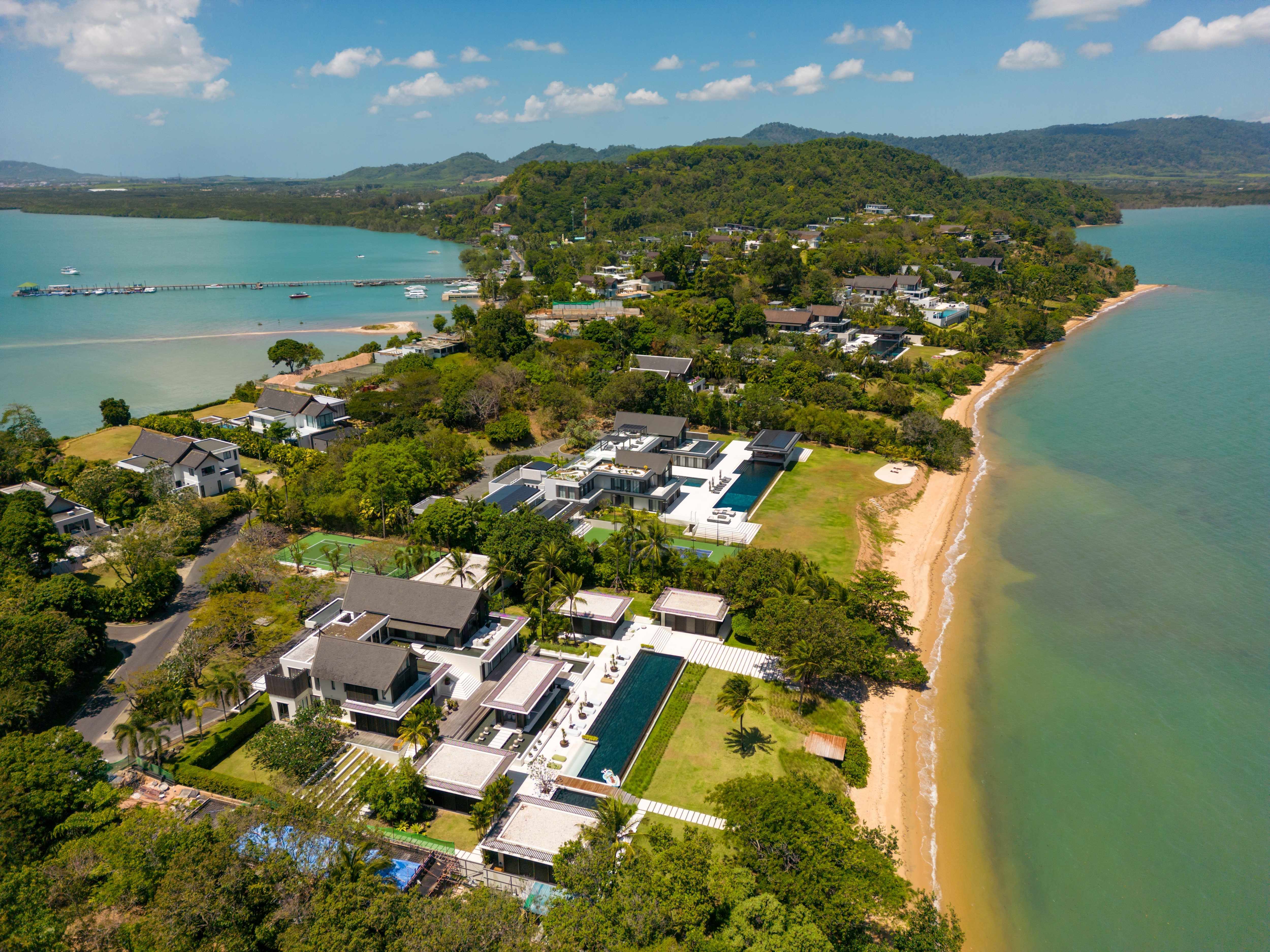
- Cape Yamu: A private, upscale peninsula with luxury villas and stunning Phang Nga Bay views.
- Layan: Tranquil beach area in northwest Phuket, nature, privacy, and growing demand for boutique developments.
- Kamala: Serene coastal area with luxury villas, vibrant beach clubs, and strong for short-term rental returns.
- Cherngtalay/Bang Tao: Phuket off-plan hotspot, near Laguna and lifestyle amenities.
Evaluate each area’s infrastructure, historical growth trends, and future development plans to identify the best fit for your investment.
Step 2: Vet the Developer Thoroughly
Choosing the right developer is essential for any construction or real estate project. Research their track record, including past projects, delivery history, and industry reputation. Check reviews or testimonials from previous clients to assess their reliability and quality. Ensure they have clear land ownership, necessary permits, and comply with local regulations. A good developer will share detailed plans, timelines, and budgets, giving you confidence in their ability to deliver.
Step 3: Visit the Showroom and Project Site
Attend site tours to evaluate the development’s progress, assess the quality of construction, and get a feel for the surrounding area. This firsthand experience allows you to see how the project is shaping up and whether it aligns with the promised timeline. Developers often create detailed 3D renderings, scale models, and fully furnished sample interiors to help buyers visualize the final product. These setups provide a glimpse into the design, layout, and finishes you can expect. Taking the time to visit ensures their vision aligns with your expectations and helps you make a more informed decision.
Step 4: Conduct Legal Due Diligence
Property laws in Thailand can be complex, especially for foreign buyers. Engage an experienced real estate lawyer to:
- Verify title deeds and ownership documents.
- Review construction permits and legal contracts.
- Ensure the sales and purchase agreement protects your interests, including clauses for delays or deviations from promised specifications.
Step 5: Secure the Unit with a Reservation Deposit
Once you've decided on a unit, the next step is to pay a reservation deposit. This deposit secures the property for you while the final agreements, such as the sales and purchase contract, are being prepared. Typically, this deposit is a small percentage of the property’s total value and serves as a commitment to proceed with the purchase. It’s important to review the terms associated with the deposit, including any conditions for refunds or forfeitures in case you change your mind.
Step 6: Follow the Payment Schedule
Payments for the property are usually made in installments, tied to specific construction milestones. These milestones might include the foundation stage, completion of the structural framework, and the finishing stages, such as interiors and utilities. This phased payment system not only provides financial relief by spreading out the cost but also allows you to monitor the progress of the project over time. Regular updates from the developer can help you stay informed about construction timelines and any potential delays, ensuring that you’re always in the loop.
Step 7: Ownership Transfer Upon Completion
Once construction is complete, the final step is to settle the balance and transfer ownership at the Land Office. You’ll need to provide the required documents like payment receipts and ID. Depending on the property type and local regulations, ownership may be freehold (common for condominiums) or leasehold (typical for villas and land). At this stage, you’ll receive the title deed or official ownership documents. Having a legal advisor can help ensure the process goes smoothly.
Step 8: Post-Purchase Considerations
After taking ownership, consider the following to enhance your investment or living experience:
- Hire a property management company if you plan to rent out the property.
- Address any warranty claims (if applicable) for structural defects or builder-related issues.
Common Risks of Buying Off-Plan Properties in Phuket
While the benefits of buying off-plan properties are clear, it’s important to be aware of potential risks:
Benefits | Risks |
Lower purchase prices | Possible construction delays |
Flexible payment structure | Uncertainty in the final product |
Customization opportunities | Risk of developer insolvency |
Capital appreciation potential | Project abandonment |
You can mitigate these risks by choosing a reputable developer, conducting proper legal checks, and ensuring contracts are aligned to protect your investment.
Foreign Buyer Considerations in Phuket
Thailand’s property laws include specific provisions for foreign buyers:
- Freehold Ownership: Foreigners can own condominiums outright but only up to 49% of the total floor area in a building.
- Land Ownership: Foreigners cannot own land outright but can lease land (usually for up to 30 years, renewable) or purchase through a Thai company.
- Taxes and Fees: Account for around 6-7% of the property value to cover transfer fees, taxes, and legal costs.
Working closely with experienced property agents and legal experts will help you successfully navigate these requirements.
The Future of Phuket’s Real Estate Market
Phuket’s real estate market continues to thrive, thanks to several major developments enhancing the island’s infrastructure:
- Expansion of Phuket International Airport.
- Ongoing road network and highway improvements.
- Increasing demand for eco-friendly, sustainable developments.
These factors contribute to steady property appreciation, making now a favorable time to invest.
Take the Next Step Toward Your Phuket Property Investment
Buying an off-plan property in Phuket offers a unique blend of lower purchase prices, customization options, and growth potential. However, success in this endeavor relies on careful research, choosing a reputable developer, and ensuring legal safeguards.
By following the steps outlined in this guide, you can minimize risks and maximize returns on your investment.
Are you ready to explore off-plan properties in Phuket? Start researching prime locations today, or connect with a professional agent who understands the Phuket market to guide you through the process.


