

Navigating Thailand’s 2026 Shift: New Airport Fees, Luxury Property Trends, and Economic Forecasts
Navigating Thailand’s 2026 Shift: New Airport Fees, Luxury Property Trends, and Economic Forecasts
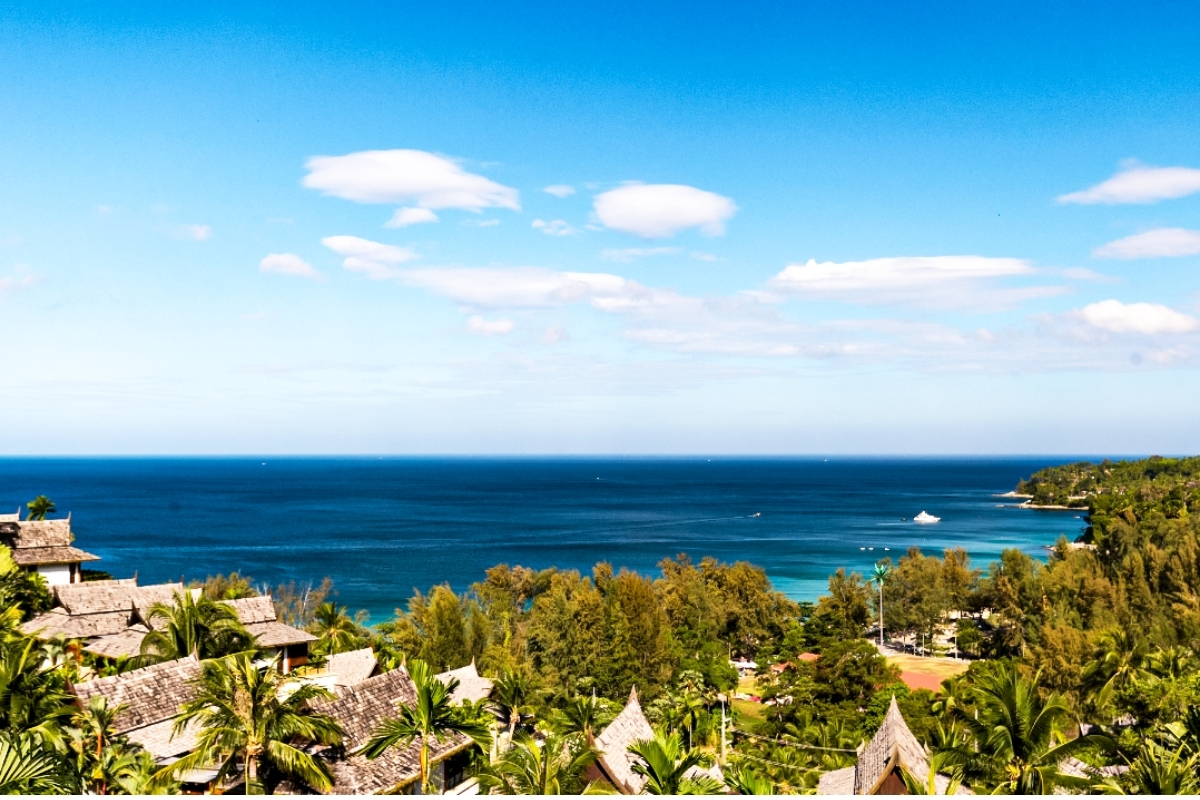
Thailand is preparing for a transformative 2026, with increased international flight taxes at major airports such as Suvarnabhumi and Phuket. Simultaneously, the luxury real estate market is evolving, driven by shifting buyer demographics and a resilient economy aiming for 3% growth despite global challenges.
The landscape of the "Land of Smiles" is shifting. Whether you are a frequent traveller, a property investor, or a business enthusiast, the upcoming changes in Thailand’s infrastructure and economic policy are set to make waves. From the moment you touch down at a world-class terminal to the high-end villa you might call home, here is everything you need to know about Thailand’s strategic move into 2026.
The Cost of Excellence: New International Flight Taxes
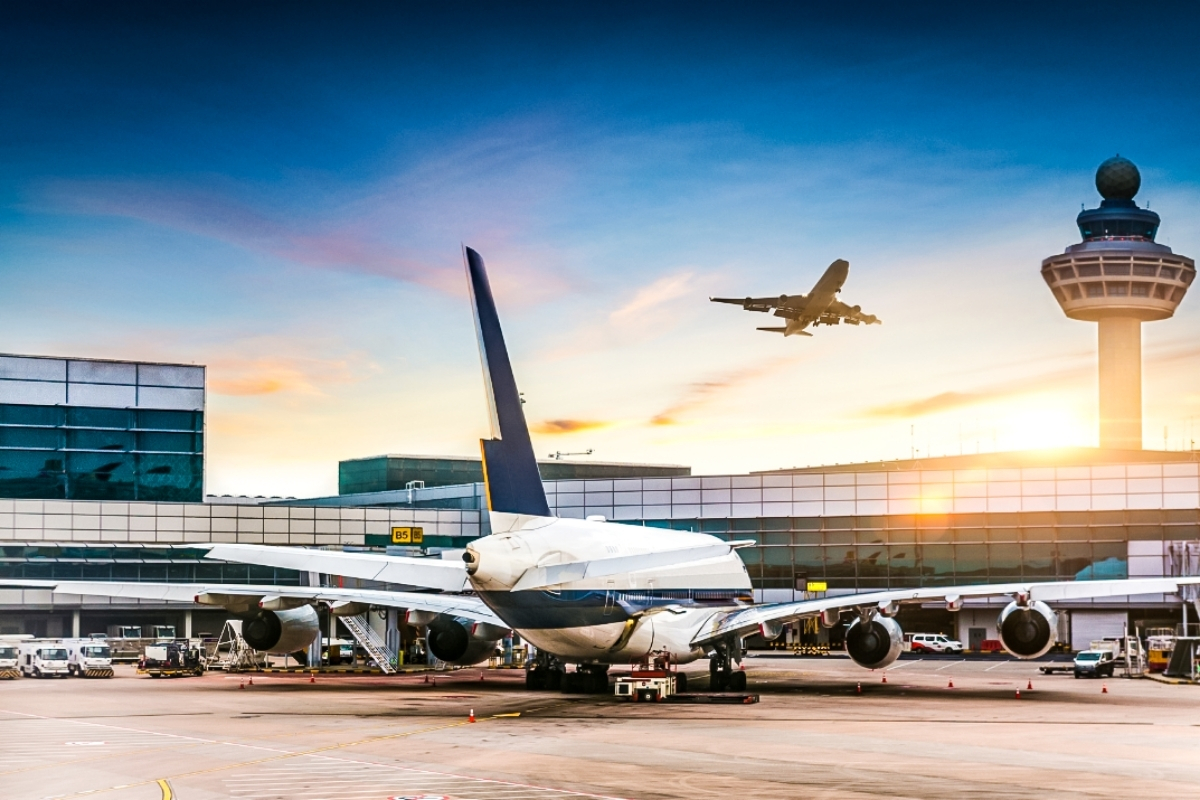
Travellers planning their 2026 getaway need to account for a change in arrival and departure costs. Thailand is taking a bold step by increasing international flight taxes at major gateways, including Suvarnabhumi and Phuket airports, a move aimed at funding further infrastructure enhancements and maintaining the country's status as a global aviation hub. This adjustment reflects the government's commitment to upgrading facilities to handle the surging influx of global tourists.
Real Estate: The New Era of Luxury
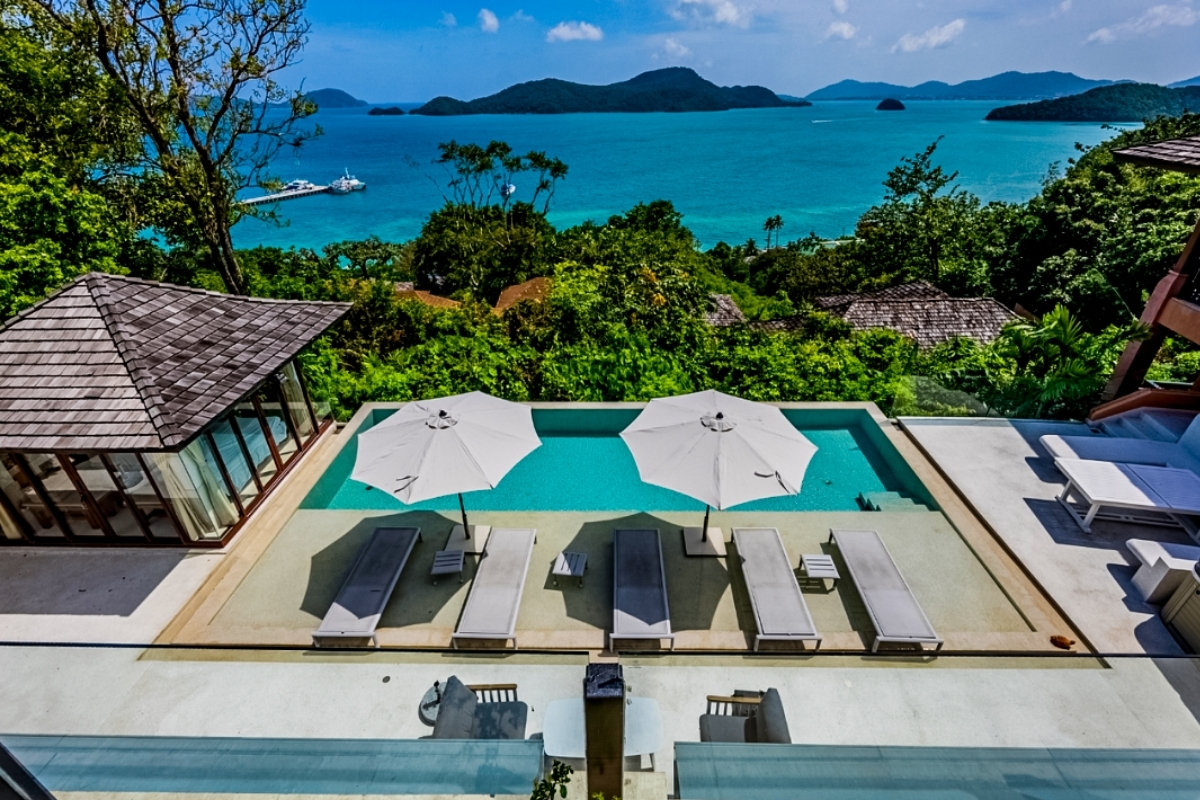
The Thai property market is proving its resilience, particularly in the high-end segment. Industry experts suggest that the market is entering a "new era" where luxury is no longer just about price, but about lifestyle and strategic location. The luxury real estate sector is being reshaped by a demand for unique, high-quality living spaces that cater to both affluent locals and international expatriates.
Furthermore, the "Big Move" in the property sector highlights a significant shift in developer strategies. Companies are now focusing on sustainable and integrated living environments to attract a more discerning clientele. This evolution is driven by the need to stay competitive in a market where buyer preferences are rapidly changing.
Economic Outlook: Aiming for 3% Growth
Despite global economic volatility, Thailand remains optimistic. The Ministry of Finance has set its sights on a steady recovery, projecting a growth rate that reflects a stabilising economy. The Thai economy is expected to grow by 3% in the coming year, supported by a rebound in tourism and robust domestic consumption.
However, challenges remain. The property sector, in particular, must navigate high household debt and stricter lending criteria. Experts emphasise that while the luxury segment is booming, the broader property market faces a 'stiff challenge' in maintaining momentum across all price points.
SEA Property’s Take: Why This Matters
For investors, the message is clear: Thailand is maturing. The increase in airport fees is a reinvestment in the nation's accessibility, while the shifts in property reflect a more sophisticated market. As we move toward 2026, staying informed on these policies and market changes is the key to unlocking value in Southeast Asia's most dynamic hub. SEA Property equips clients with the clarity and access required to navigate this next stage of the market.
When it comes to luxury living, there’s only one name: SEA Property.
Tel & WhatsApp: +66 92 966 2236
Email:info@sea-property.com
Explore Common Questions About this Blog
1. Why are flight taxes increasing at Suvarnabhumi and Phuket airports?
The tax increase is part of a government initiative to fund airport expansions and modernise facilities to accommodate the rising number of international passengers expected by 2026.
2. Is it still a good time to invest in Thai luxury property?
Yes, the luxury segment is currently seen as a resilient "bright spot" in the economy, driven by strong demand for high-quality, lifestyle-oriented developments that offer long-term value.
3. What is the projected GDP growth for Thailand in 2026?
Financial analysts and government bodies are targeting a growth rate of approximately 3%, bolstered by the tourism sector and strategic infrastructure investments.
4. How will the property market handle the "stiff challenges" mentioned?
Developers are pivoting toward high-potential segments, such as luxury villas and integrated mixed-use projects, while implementing more cautious financial strategies to mitigate risks from household debt.
5. Which airports are affected by the new international flight fees?
The fee adjustments primarily target major international hubs, including Suvarnabhumi in Bangkok and Phuket International Airport, which serve as the main gateways for foreign visitors.


