

Why the World's Wealthiest Buyers Are Quietly Betting on Phuket's Branded Residences
Why the World's Wealthiest Buyers Are Quietly Betting on Phuket's Branded ResidencesGlobal hospitality names are planting their flags across the island, and the smart money is paying attention to what it really signals.
TL;DR
Phuket is shifting from a visitor economy to a living economy, and branded residences are leading the charge. Between 2026 and 2029, more than 4,700 branded residence units across 26 projects are expected to come online, anchored by a THB 26 billion expansion of Central Phuket and a wave of relocating global wealth. From Banyan Tree Grand Residences in Laguna to Asia Pacific's first Marriott Autograph Collection Residences in Bang Tao, the island is positioning itself alongside coastal cities like Miami and Saint-Tropez. For high-net-worth buyers, the opportunity is real, but the winners will read the details, not just the names on the hoardings. SEA Property exists to help you tell the difference.
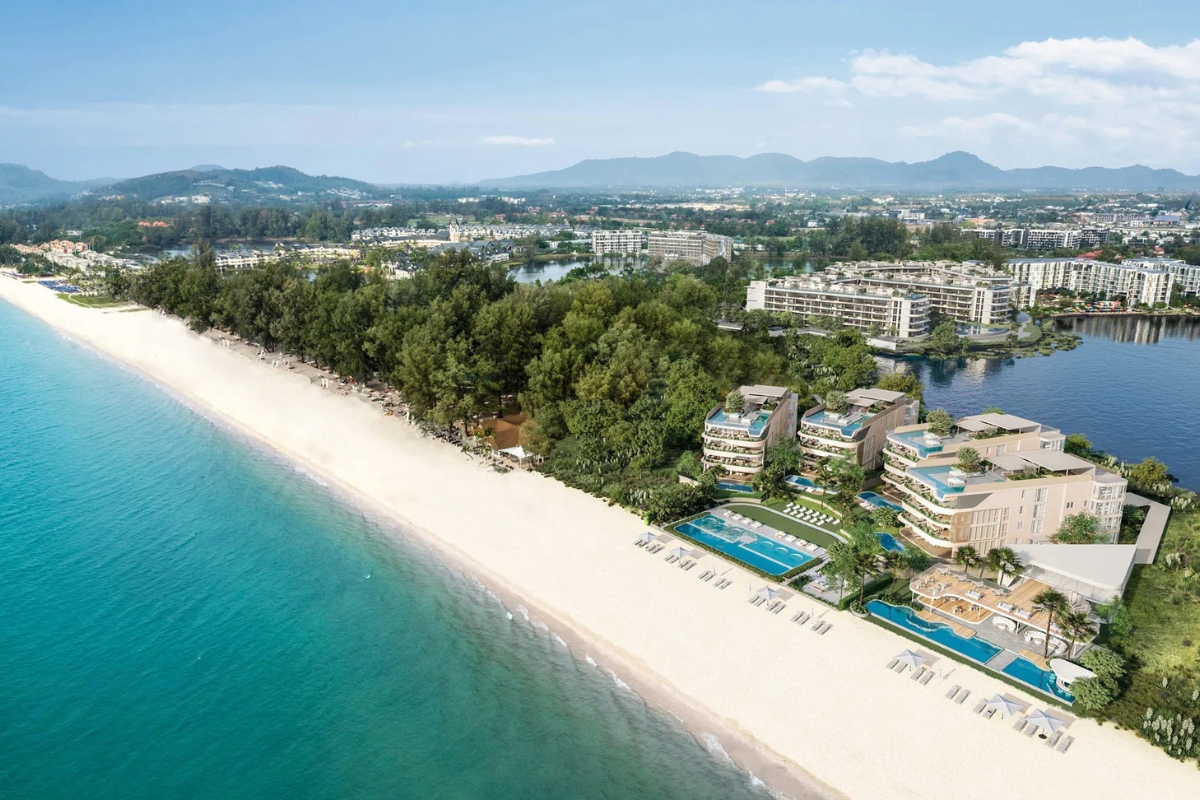
Something has changed in Phuket, and you can read it in the construction hoardings. For decades the island sold a postcard: turquoise water, a two-week tan, a villa rented by the week. That Phuket still exists. But it is no longer the whole story. Walk through Bang Tao or the Laguna corridor today and you will see names that used to belong only to hotel lobbies now attached to homes for sale. Banyan Tree. Marriott. Autograph Collection. The branded residence model has arrived in force, and it is rewriting what ownership looks like on the island.
At SEA Property, we have watched this acceleration up close, and our view is direct: Phuket's branded residence boom is not a marketing fad. It is the visible edge of a deeper structural shift. As Asia Lifestyle Magazine reports, the island now has more branded residential projects in development than at any point in its history. The question for serious buyers is no longer whether to take Phuket seriously. It is how to buy into it intelligently.
From a Visitor Economy to a Living Economy
To understand why hospitality brands are pouring concrete, you have to understand what Phuket is becoming. In early 2026, Central Pattana announced a THB 26 billion landmark expansion of Central Phuket, growing the development by 40 percent to 500,000 square meters across 110 rai. The language the company used is telling. This is, in its words, a transition from a visitor economy to a living economy, with Phuket reframed as a global island destination for living rather than a place you simply fly into for a holiday.
That framing matters to property buyers because it changes the demand curve. Central Pattana points to cities like Miami, Saint-Tropez and Barcelona as its model, arguing that globally competitive coastal cities are not defined by beaches alone but by a downtown economy that connects lifestyle, investment and community. When a developer of that scale commits its second-largest investment base after Bangkok, with more than 140 projects spanning retail, hotels and residences, it is making a long-dated bet on year-round residents. Branded residences are the housing stock that bet requires.
The Branded Residence Surge: Why Now, and Why Here
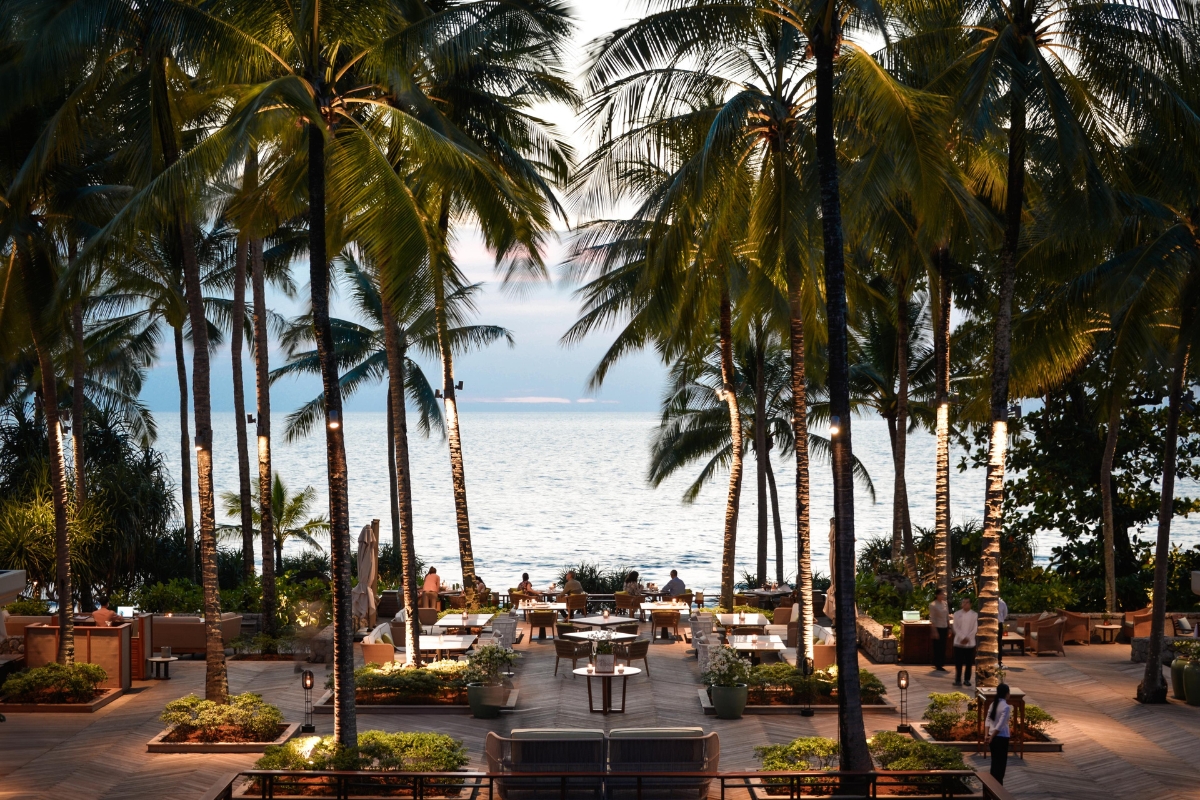
The concept itself is simple. A branded residence pairs private ownership with professional hospitality management. You buy the home; a known operator runs the building, maintains the common areas and provides hotel-style services on demand. For buyers who split their year across several cities, as Asia Lifestyle Magazine puts it, the brand does the heavy lifting. No hunting for a reliable property manager. No guessing at service standards from four thousand miles away.
What is genuinely new is the buyer. A decade ago, most foreign purchasers wanted a holiday home or a retirement escape. Today an increasing share are younger, still working, and treating Phuket property as one line in a broader portfolio. They want exposure to Southeast Asia's growth without the friction of managing it, and after years of disruption, they want the certainty a recognised name appears to offer. The scale of the supply response confirms the trend. Central Pattana expects more than 4,700 branded residence units across 26 projects, plus over 20 new luxury hotels adding roughly 5,200 rooms, to come online between 2026 and 2029. This is not a trickle. It is a wave, concentrated heavily around Bang Tao and the Laguna belt.
The infrastructure is moving in step with the buildings. The same plans point to an airport expansion designed to handle over 18 million passengers a year and a new Airport to Kathu to Patong expressway that cuts cross-island travel to around 20 minutes, alongside new marinas, deep-sea ports and international hospitals. For an investor, those are not footnotes. They are the connective tissue that protects a property's value over a holding period.
Two Ends of One Boom: Banyan Tree and the Marriott Autograph Collection
Phuket's branded market is often discussed as a single category. It is not, and understanding the spread is where buyers gain an edge. At the top sits Banyan Tree Grand Residences in Laguna, a development of 19 pool villas in three and five-bedroom configurations, with prices starting around 1.3 million US dollars. The appeal is the ecosystem as much as the address: membership of The Sanctuary Club, access to the Laguna Golf Course, eligibility for Thailand's Elite visa programme, and use of Xana Beach Club. A new Bellaguna concept, launching in 2026, is aimed squarely at year-round residents rather than December visitors, a clear signal of where the brand sees demand heading.
Find your villa in Laguna: Here with SEA Property
At the other end of the spectrum is a Capstone Asset Management and Marriott International development, will be the first Autograph Collection Residences in Asia Pacific when it opens in late 2027. The scale is different: 408 units across one, two and three-bedroom layouts in the Bang Tao corridor, with entry prices from approximately 200,000 US dollars. Crucially, foreign buyers can access freehold title through the available foreign quota, removing one of the traditional friction points in Thai property. PEYLAA is not competing with Banyan Tree on exclusivity; it is courting a different buyer entirely, one who wants a trusted global brand and hotel convenience without a seven-figure commitment.
Our read at SEA Property is that this widening spread is the most important feature of the market, not a footnote to it. A brand tells you who will manage the building and roughly what the service standard will be. It does not tell you whether a particular home fits your life, your tax position, or your investment horizon. The brand is a filter, not a decision.
The Lifestyle That Underwrites the Investment
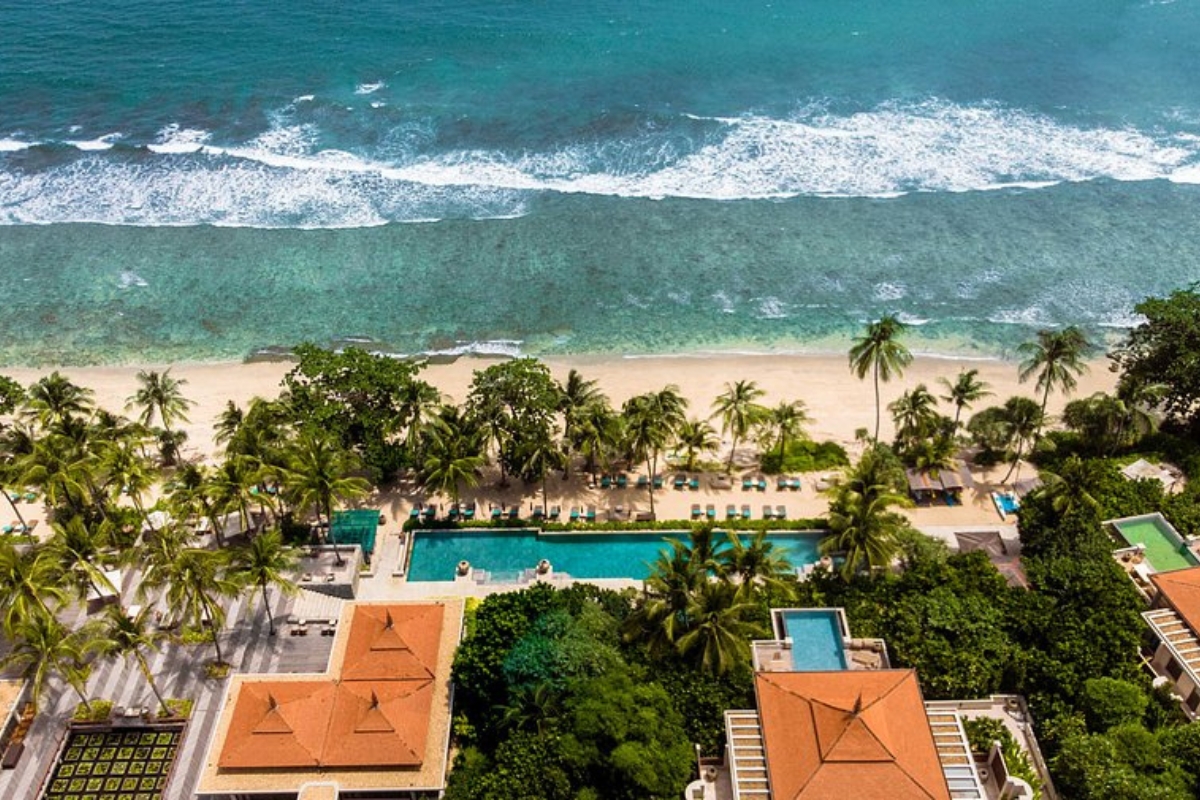
Branded residences only command their premium because the day-to-day life around them holds up. Here, Phuket's case is stronger than its old reputation suggests. As Asia Lifestyle Magazine notes in its look at relocating Gulf families, the relevant geography for long-stay residents is not Patong or Bangla Road but the quieter northwest: Cherngtalay, Layan, Bang Tao and the estates pushing toward Laguna, where mornings start with a swim rather than traffic.
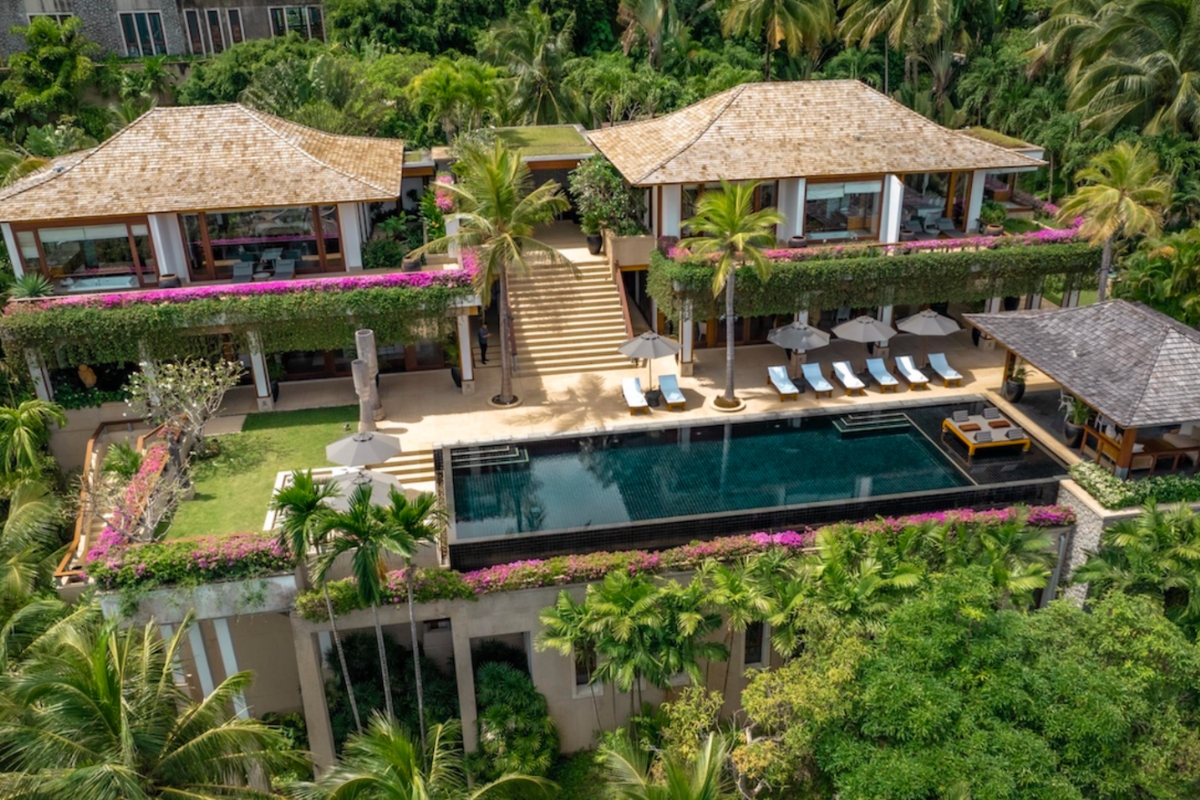
The proof of seriousness is in the infrastructure of ordinary life. International schools such as British International School Phuket and HeadStart run waitlists that outpace supply, which families do not join for a seasonal bolt-hole. Bangkok Hospital Phuket operates to a standard regional expats use without hesitation. A well-finished villa with private pool and real land in Layan or Cherngtalay sits roughly between 1.5 and 4 million US dollars, often delivering more space and privacy than equivalent money buys in Bali's Seminyak or the Algarve. The same report is candid about the trade-offs too: peak-season traffic is real, car dependency is total, and foreigners cannot own freehold land outright, so leasehold and condominium title structures require proper legal scaffolding rather than a handshake. We consider that honesty a feature, not a deterrent.
The luxury hospitality layer is maturing just as quickly, and it reinforces the residential story. This year, The Luxury Group by Marriott International brought the third edition of its Luxury Dining Series to The Naka Island, a Luxury Collection Resort and Spa in Phuket, with multi-hands dinners by acclaimed chefs celebrating the flavours of the Andaman coastline. When operators stage their flagship cultural programming on the island rather than merely parking a logo there, it tells you the brand relationship is real. That is exactly the operator commitment a branded-residence buyer is ultimately paying for.
Discover properties in Layan and Cherngtalay with us
What the Numbers Mean for Phuket and for Buyers
So what does all this do to Phuket's real estate trends? Three things, in our view. First, it deepens and segments the market. With thousands of branded units arriving across price points from 200,000 dollars to well past a million, Phuket is no longer a binary choice between cheap condos and trophy villas. There is now a genuine ladder, and that breadth attracts a wider, more durable pool of buyers.
Second, it raises the floor on quality. Professional operators bring service standards, maintenance discipline and resale narratives that lift the entire neighbourhood, including unbranded stock nearby. A rising tide of credible management tends to protect values during softer cycles. Third, and most importantly for anyone buying today, it increases the noise. More brands and more launches mean more marketing budgets competing for attention, and not every project will age equally well. Differentiation, location and operator track record will matter far more in 2028 than the name on the hoarding did in 2026.
The benefit to Phuket itself is a more resilient, year-round economy: long-stay residents who spend across twelve months rather than two, supported by hospitals, schools, marinas and a downtown core built for living. That is a healthier foundation than tourism alone ever offered, and it is why we believe the current cycle is structural rather than speculative.
How SEA Property Helps You Buy the Right One
This is precisely the market where good advice pays for itself. At SEA Property, our approach is consultative rather than transactional. We do not work for the developer with the biggest launch event; we work for you. That means starting with how you actually intend to use a home, a lock-and-leave asset visited four times a year reads very differently from a base for an extended family relocation, and matching that to the right project, location and title structure.
Across Phuket's branded residences, from the Laguna and Bang Tao corridors to the quieter northwest estates, we help buyers compare operators on substance, not just reputation: management agreements, service charges, rental programmes, completion track records, and the legal scaffolding behind freehold quota and leasehold arrangements. We bring local presence to the details that decide whether a purchase becomes a considered investment or an expensive lesson, and we connect clients to the independent legal and tax counsel that any serious Thai property decision deserves. If Phuket's shift from visitor economy to living economy is the headline, SEA Property is how you read the fine print.
To explore current branded residences and off-market opportunities across the island, or simply to pressure-test an idea before you commit, start a conversation with our team at sea-property.com.
When it comes to luxury living, there’s only one name: SEA Property.
Tel & WhatsApp: +66 92 966 2236
Email: info@sea-property.com
Explore Common Questions About this Blog
1. What is a branded residence, and why is Phuket suddenly full of them?
A branded residence is a privately owned home managed by an established hospitality operator, which runs the building and offers hotel-style services. Phuket is seeing a surge because the island is shifting toward a year-round living economy, with more than 4,700 branded units across 26 projects expected between 2026 and 2029, concentrated around Bang Tao and Laguna.
2. How much do branded residences in Phuket cost?
Prices span a wide ladder. Entry-level branded condominiums such as those at PEYLAA by Marriott start from around 200,000 US dollars, while top-tier villas at Banyan Tree Grand Residences begin near 1.3 million US dollars. Standalone luxury villas in the northwest typically run between 1.5 and 4 million US dollars.
3. Can foreigners actually own property in Phuket?
Foreigners cannot own freehold land outright in Thailand, but they can own condominiums via the foreign quota and can use leasehold structures for villas. As industry coverage stresses, these routes are well established but require proper legal advice. SEA Property connects buyers with independent legal counsel to structure each purchase correctly.
4. Is buying in Phuket a sound investment or just a lifestyle purchase?
Increasingly both. The THB 26 billion Central Phuket expansion, airport growth toward 18 million passengers, new expressways and a maturing hospitality scene, evidenced by Marriott staging its Luxury Dining Series on the island, all point to a deepening, year-round market. As with any market, project quality and location vary, so independent guidance matters.
5. Where on the island should a long-stay buyer focus?
The northwest corridor of Cherngtalay, Layan, Bang Tao and Laguna is the centre of gravity for long-stay residents and branded product, with schools, healthcare and a calmer daily rhythm that suit families and remote-working professionals. SEA Property can help you compare specific projects within these areas against your goals.


