


Mountainside Villa with Ocean View in Samui


Description
This mountainside villa has been meticulously designed to harmonize with its natural surroundings, maximizing the breathtaking views and ensuring seamless integration with the landscape. The structure is tiered, capitalizing on the elevation and offering air gaps between different functional areas and levels, enhancing ventilation and flow. Green roofs and significant plantings help the property blend into the environment, while the eclectic design reflects a fusion of Middle Eastern and Thai influences, two cultures known for their warmth and hospitality. The villa embodies a balance between contemporary architecture and traditional craftsmanship, featuring modern construction alongside handmade furniture.
A significant portion of the exterior showcases locally sourced stone cladding, chosen not only for its aesthetic appeal but also for its longevity and ability to age gracefully in place. This focus on sustainability extends throughout the property, with an emphasis on using durable materials to reduce long-term environmental impact. Rather than outsourcing sustainability, the owner carefully manages consumption and resources on-site, including water supply sourced from an artisanal well. A dedicated area for growing fruits and vegetables further supports the property's self-sufficiency and practical approach to sustainability.
The villa has been designed to feel as though it has always been part of the hillside, with the materials, color palette, and plantings all contributing to a sense of organic belonging. The carefully chosen materials and thoughtful landscaping are expected to maintain the villa’s external appearance over an extended period.
In terms of guest experience, the villa offers every amenity one would expect from a luxury resort. A fully stocked gym, a private cinema complete with a popcorn machine, and a multi-purpose game room with Moroccan design elements provide a variety of entertainment options. The 1,000-bottle wine cellar, with space for casual meals, card games, or intimate conversations, adds a further layer of indulgence. Additionally, the full spa, complete with a steam room, massage areas, and a natural rock Jacuzzi pool, creates a true oasis within the home.
Flexibility and comfort were key considerations during the design process. Multi-purpose rooms can be easily adapted to suit guests’ needs, ensuring that the villa remains a versatile space that can respond to changing trends or personal preferences. This combination of practical luxury, classical aesthetics, and thoughtful touches ensures that guests can experience comfort, relaxation, and joy during their stay, whether they choose to explore the surroundings or simply nest within the villa.
Features & Amenities
- Home Bar
- Kids Pool
- Play Room
- Cinema Room
- Gym
- Wine Storage
- Oasis Pool
- Steam Room
- Massage Room

Enquire About this Property
About Koh Samui
Each part of the island has its own character. Chaweng is lively, with beach clubs, nightlife, and shopping. Lamai is quieter but still social. Bophut and Maenam are known for their family-friendly vibe and walkable beaches, while Choeng Mon and the northern hills attract luxury buyers with private villas and stunning views. Samui’s hilly landscape means many properties offer panoramic outlooks and cool breezes.

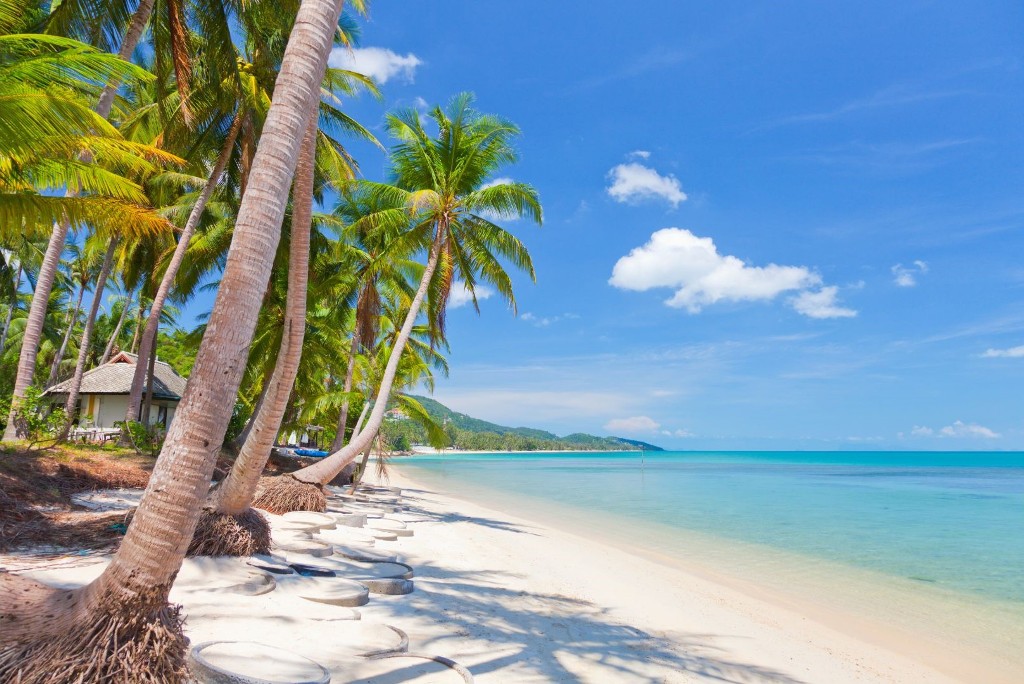
Life on Samui is easygoing. The island has international schools, modern hospitals, organic markets, and yoga retreats. There are also plenty of cafes, fine-dining spots, and beach restaurants. The airport makes travel simple, with direct flights to Bangkok and regional hubs. Many remote workers, retirees, and families now call the island home full-time.
Despite growing popularity, Koh Samui still feels laid-back and personal. Whether you want a quiet villa above the bay or a beachfront home near shops and restaurants, Samui offers space, nature, and comfort — all wrapped in a tropical island setting.
Explore Common Questions About Koh Samui
Is it worth buying property in Koh Samui?
Yes! If you’re looking for long-term value, rental income, or relocation, buying property in Koh Samui is a smart investment. The island has strong tourism, stable market, and growing luxury real estate demand.
Can foreigners buy properties in Koh Samui?
Foreigners can buy: Condos (freehold) in their own name. Landed properties (villas/houses) through leasehold or company structures. They cannot own land directly under Thai law.
What is the property tax in Koh Samui?
There is no annual property tax in Koh Samui for residential properties. However, buyers should consider additional costs such as a 2% transfer fee, 0.5% stamp duty, and a 3.3% business tax if the property is sold within five years. Withholding tax also applies and varies depending on the seller’s status.
How much does it cost to live comfortably in Koh Samui?
It highly depends on your lifestyle. For luxurious living, expect to spend at least 100,000 THB per month. This can vary widely based on your location, housing choice, dining habits, and leisure activities. Phuket caters to all from street food starting at 50 baht per plate to a Michelin-star fine dining experience starting at 3000 baht per plate.
What is the average cost to buy a property in Koh Samui?
The average cost to buy a property in Koh Samui is around ฿100 million (~$3 million), reflecting the island's popularity for high-end villas with sea views and resort-style living. Entry-level luxury properties typically start from about ฿19.5 million (~$600,000), while ultra-premium estates can reach up to ฿325 million (~$10 million). Prices vary depending on location, land size, and proximity to the beach, with hotspots like Chaweng Noi, Bophut, and Laem Sor attracting strong interest from both lifestyle buyers and investors.
How does buying property in Koh Samui compare to buying in Phuket?
Buying property in Koh Samui compared to Phuket comes down to differences in market size, infrastructure, and lifestyle preferences. Phuket offers a larger, more established real estate market with extensive infrastructure, international schools, hospitals, and year-round flight connections. It attracts a broader range of buyers, including luxury investors and full-time expats. Koh Samui, while smaller and more boutique in feel, appeals to those seeking a quieter island atmosphere with stunning natural beauty. Properties there are often more affordable, and the market is more intimate—but with fewer high-end developments and less robust infrastructure than Phuket. Both islands are foreign leasehold markets, so the legal process is similar, but Phuket offers greater liquidity and resale potential due to its more mature demand.
How developed is the infrastructure on Koh Samui?
Koh Samui’s infrastructure is well-developed for a tropical island, but it’s generally less advanced than Phuket’s. The island has a good road network, reliable electricity, and high-speed internet in most areas. There’s a private international airport with regular flights, although routes are more limited and flights can be more expensive than from Phuket. You’ll find quality hospitals, international schools, supermarkets, and modern amenities—especially around Chaweng, Bophut, and Lamai. However, some rural or hillside areas may still have limited access to utilities or require private water and power solutions. Overall, Koh Samui offers solid infrastructure for comfortable living, but with a more boutique, small-island feel compared to Phuket’s larger-scale development.


